
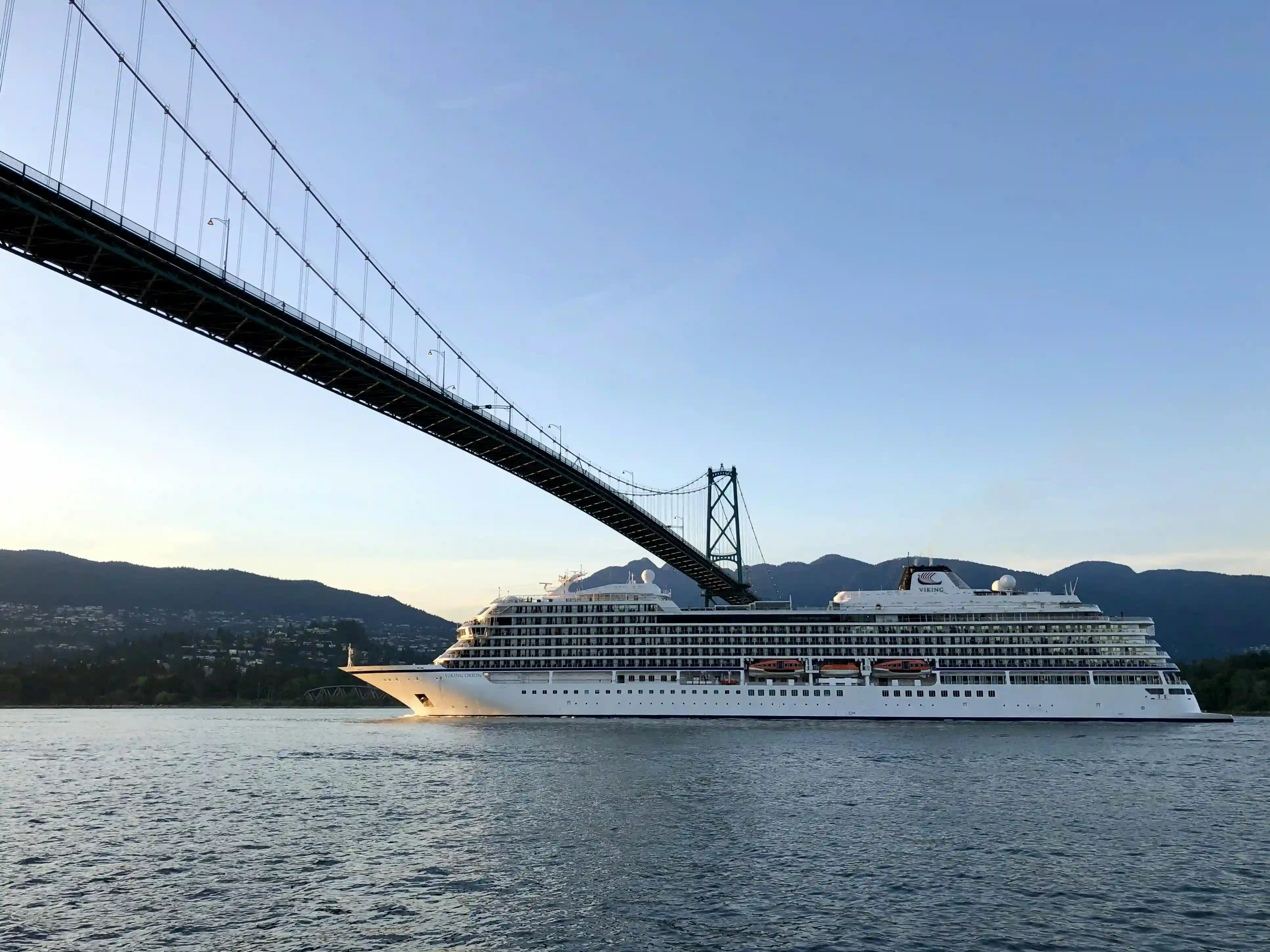
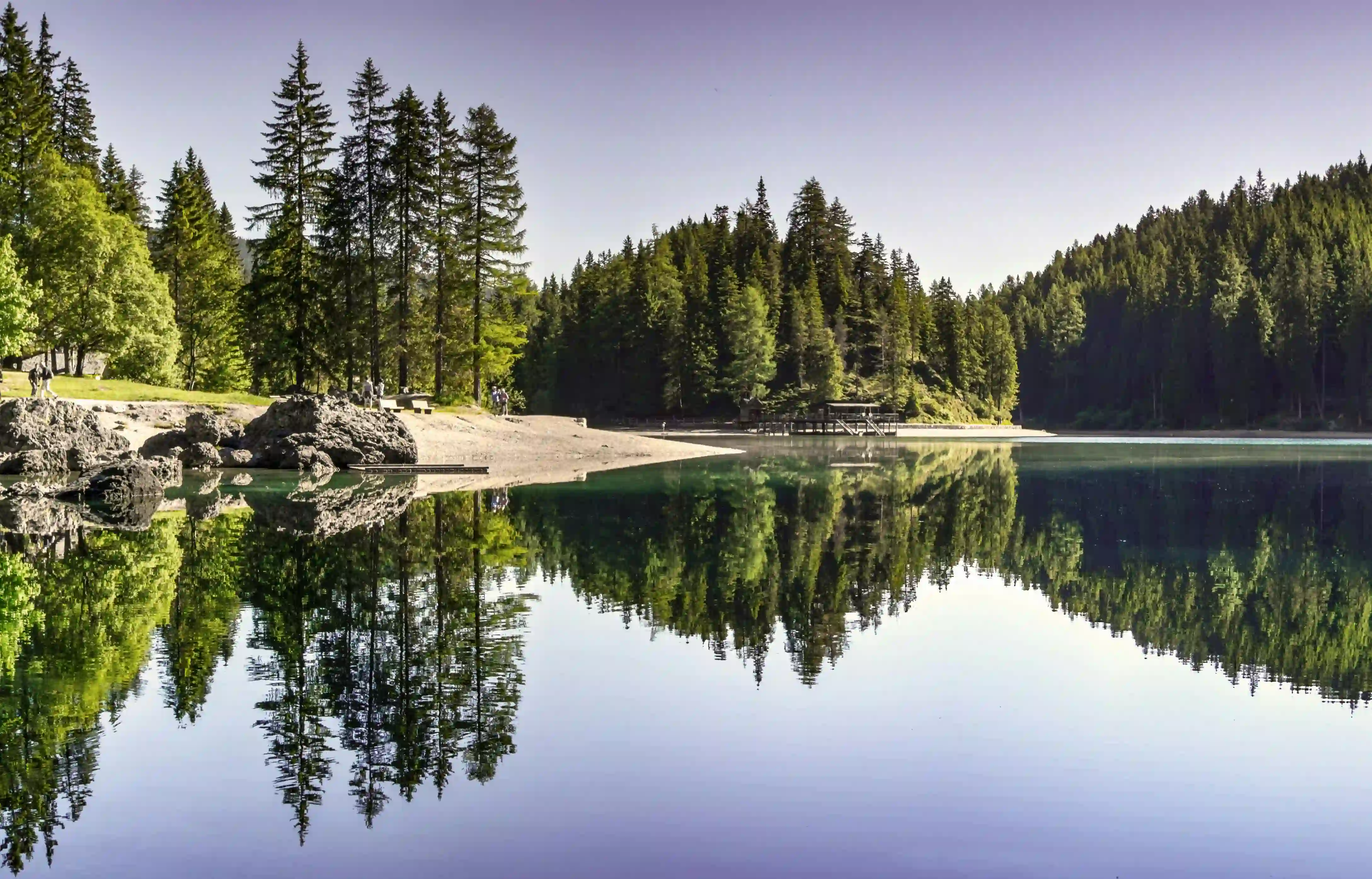
Canada offers destinations shaped by natural beauty, cultural diversity, and strong regional identity. From prairie cities and mountain viewpoints to protected wilderness and historic urban centres, the country presents a wide range of travel experiences. These places reflect Canada’s balance between modern life and natural surroundings, where landscapes and communities often coexist closely. Exploring them provides insight into the country’s identity, shaped by geography, climate, and cultural heritage.
1. Saskatoon
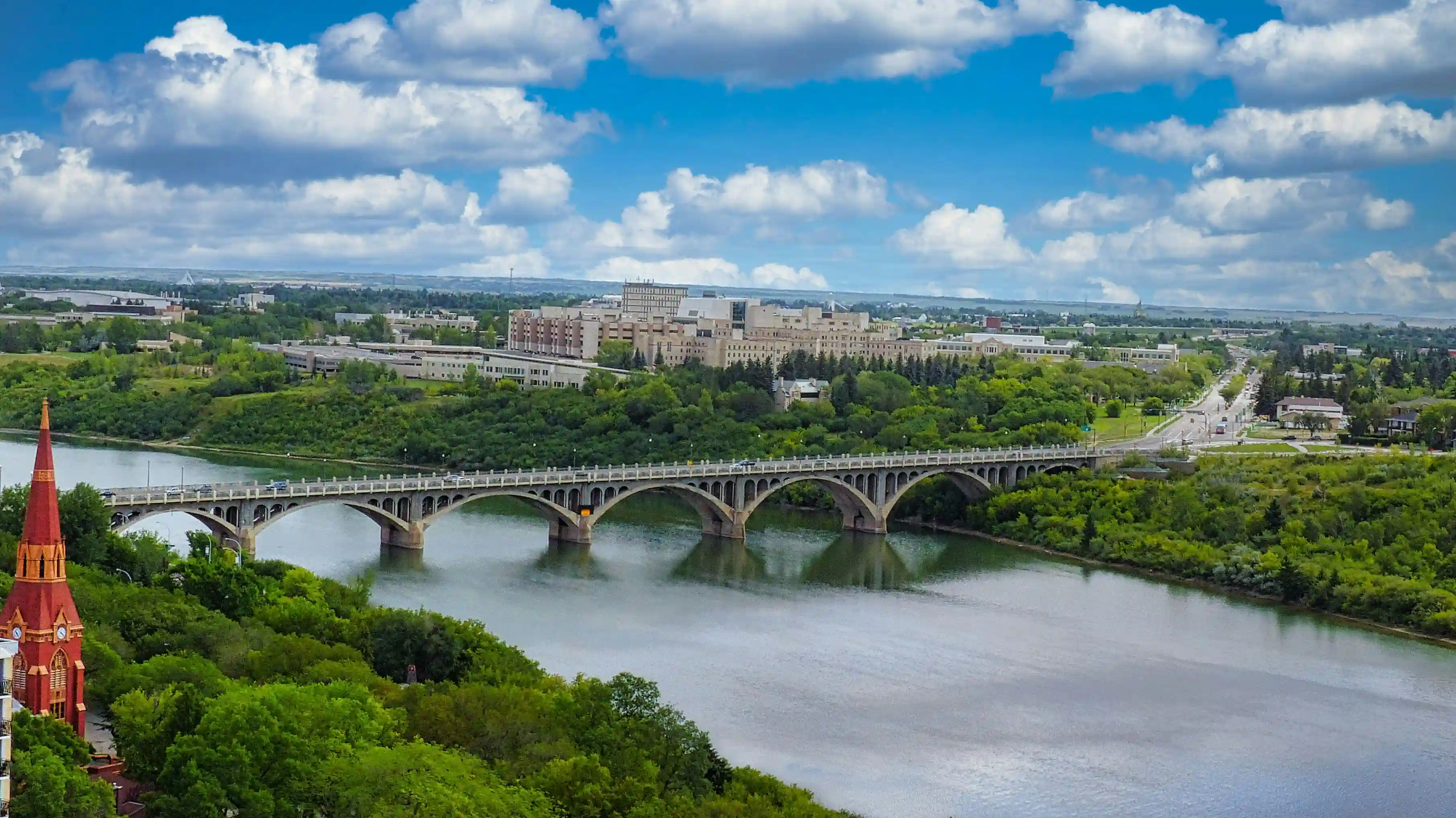
Saskatoon sits along the South Saskatchewan River and offers a distinctive prairie city experience shaped by open landscapes, community warmth, and a growing cultural scene. Often called the “City of Bridges,” its skyline is defined by river crossings that connect neighbourhoods and provide scenic viewpoints across the water.
The Meewasin Valley Trail forms the heart of outdoor life in Saskatoon. Stretching along the riverbank, it provides walking, cycling, and seasonal recreation opportunities while linking parks, cultural spaces, and neighbourhood districts. The city’s pace feels relaxed compared to larger Canadian urban centres, allowing visitors to explore without pressure or crowds.
Cultural identity is closely connected to the land. Indigenous heritage is visible through museums, public art, and community initiatives that highlight the region’s history and traditions. Food culture also reflects the surrounding agricultural landscape, with local produce, craft breweries, and independent restaurants contributing to a growing culinary reputation.
Saskatoon appeals to travellers seeking authenticity, local engagement, and a quieter introduction to Canada’s prairie region. It offers space, community connection, and a perspective on Canada that differs from more commonly visited destinations.
Highlights:
Scenic riverfront walking and cycling trails
Strong Indigenous cultural presence and learning opportunities
Farmers’ markets and prairie-inspired cuisine
- Relaxed atmosphere with welcoming community feel
2. Grouse Mountain
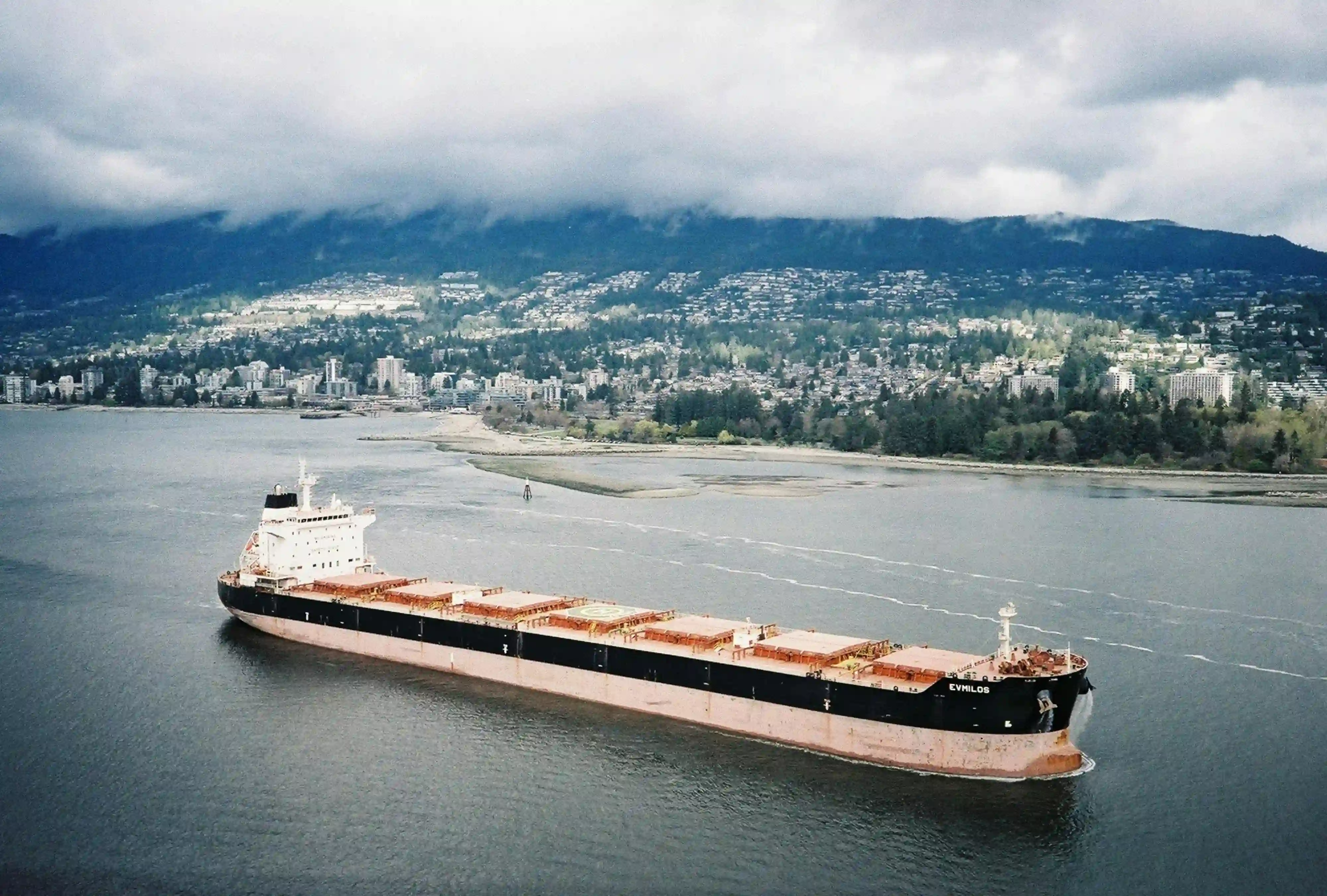
Grouse Mountain rises above Vancouver and provides one of Canada’s most accessible alpine environments. Often referred to as the “Peak of Vancouver,” it offers panoramic views of the city skyline, Pacific coastline, and surrounding mountain ranges within a short distance from downtown. This proximity creates a unique combination of urban convenience and natural immersion.
The mountain offers year-round activities that change with the seasons. During warmer months, visitors can hike scenic trails, including the well-known Grouse Grind, a steep ascent that attracts fitness enthusiasts. Wildlife habitats on the mountain provide opportunities to observe rescued animals, including resident grizzly bears, within a protected environment.
Winter transforms Grouse Mountain into a snow sports destination, with skiing, snowboarding, snowshoeing, and ice skating available. Evening visits can be especially memorable, with illuminated slopes and city lights visible below.
Dining experiences also form part of the attraction, with mountaintop restaurants offering elevated views that complement the landscape. Grouse Mountain suits travellers who want adventure, scenery, and accessibility combined within a single destination.
Highlights:
Panoramic views over Vancouver and the Pacific coast
Year-round outdoor activities including hiking and skiing
Wildlife refuge experiences
- Scenic dining with mountain viewpoints
3. Algonquin Provincial Park
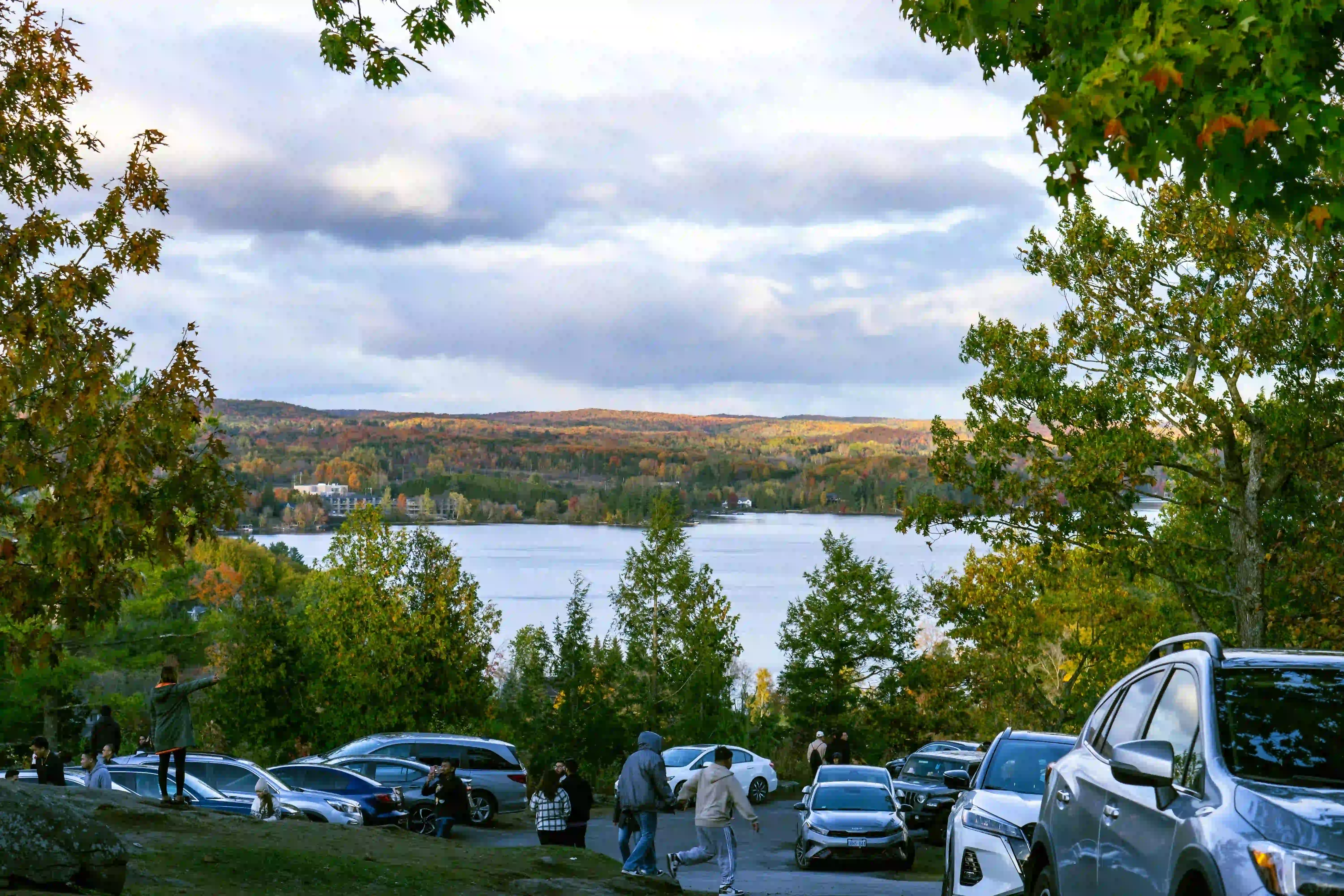
Algonquin Provincial Park is one of Canada’s most recognised wilderness areas, offering forests, lakes, and wildlife within reach of major cities like Toronto and Ottawa. Established in the late nineteenth century, the park remains an important conservation space and a symbol of Canada’s natural identity.
Canoeing is central to the Algonquin experience. Interconnected lakes and waterways allow visitors to travel through landscapes that feel largely unchanged, providing both recreation and reflection. Hiking trails range from short interpretive paths to longer routes through dense forest and elevated viewpoints, offering options for varying ability levels.
Wildlife observation is a major attraction. Moose, deer, beavers, and numerous bird species inhabit the park, particularly visible during early mornings and evenings. Seasonal changes transform the landscape dramatically. Autumn brings vibrant foliage colours, winter offers snow-covered quiet, and summer highlights lakeside activity and camping.
Algonquin appeals to travellers seeking immersion in nature without extreme remoteness. It balances accessibility with wilderness, allowing visitors to experience Canada’s outdoor culture in a meaningful way while still benefiting from structured facilities and visitor support.
Highlights:
Canoeing across interconnected lakes and waterways
Wildlife viewing opportunities, including moose and birds
Scenic hiking trails for multiple skill levels
- Spectacular autumn foliage and seasonal landscapes
4. Quebec City
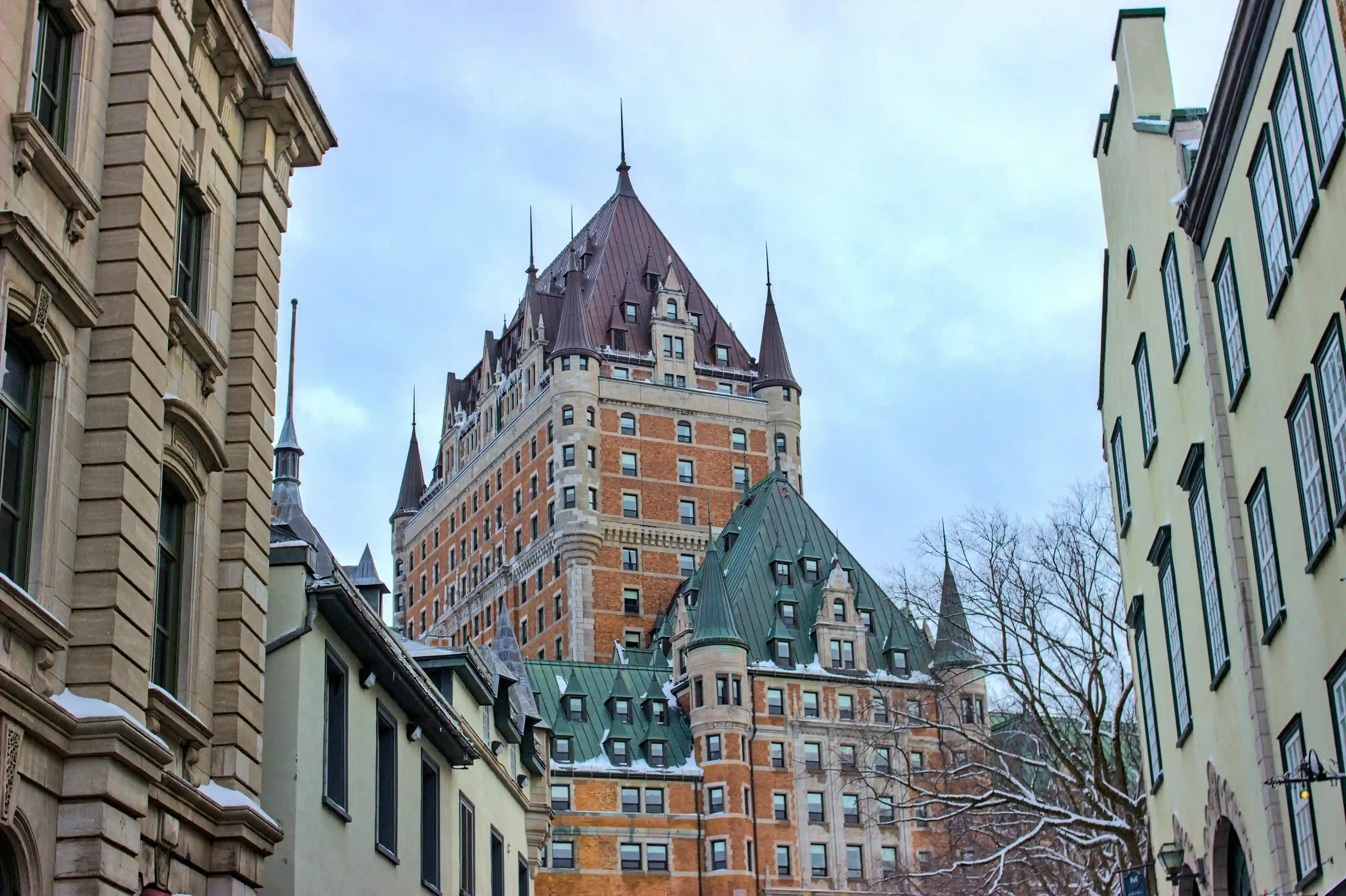
Quebec City offers one of Canada’s most distinctive cultural experiences, shaped by European heritage, historic architecture, and strong regional identity. As one of the oldest cities in North America, it combines preserved history with a vibrant contemporary atmosphere. The historic district, Old Quebec, is recognised as a UNESCO World Heritage Site and remains central to the visitor experience.
Stone streets, fortified walls, and centuries-old buildings create an environment that feels markedly different from other Canadian cities. Landmarks such as Chateau Frontenac overlook the St. Lawrence River, adding to the city’s unique visual appeal. Walking through neighbourhoods reveals cafes, boutiques, and public squares that encourage exploration at a slower pace.
Seasonal changes significantly influence the experience. Summer brings festivals and outdoor dining, autumn highlights surrounding landscapes, and winter transforms the city into a snow-covered setting known for its festive atmosphere and winter celebrations. This seasonal variety contributes to Quebec City’s year-round appeal.
Quebec City suits travellers interested in history, architecture, culture, and destinations with a strong sense of identity. It offers a unique perspective on Canada’s French heritage while remaining welcoming and accessible to international visitors.
Highlights:
UNESCO-listed Old Quebec historic district
European-style architecture and cultural atmosphere
Scenic views along the St. Lawrence River
- Seasonal festivals and winter experiences
Conclusion:
These destinations highlight the diversity of experiences found across Canada’s regions, from prairie landscapes and alpine environments to protected wilderness and historic cultural centres. Each offers a distinct perspective shaped by geography, heritage, and community life. Together, Saskatoon, Grouse Mountain, Algonquin Provincial Park, and Quebec City demonstrate how Canada blends natural beauty with cultural richness. For travellers seeking variety, authenticity, and meaningful exploration, these destinations provide memorable experiences that reflect the country’s enduring sense of place.
Start Your Canadian Adventure
Let us help you discover the beauty and diversity of Canada with expertly planned itineraries and local insights.
Contact Our Team